
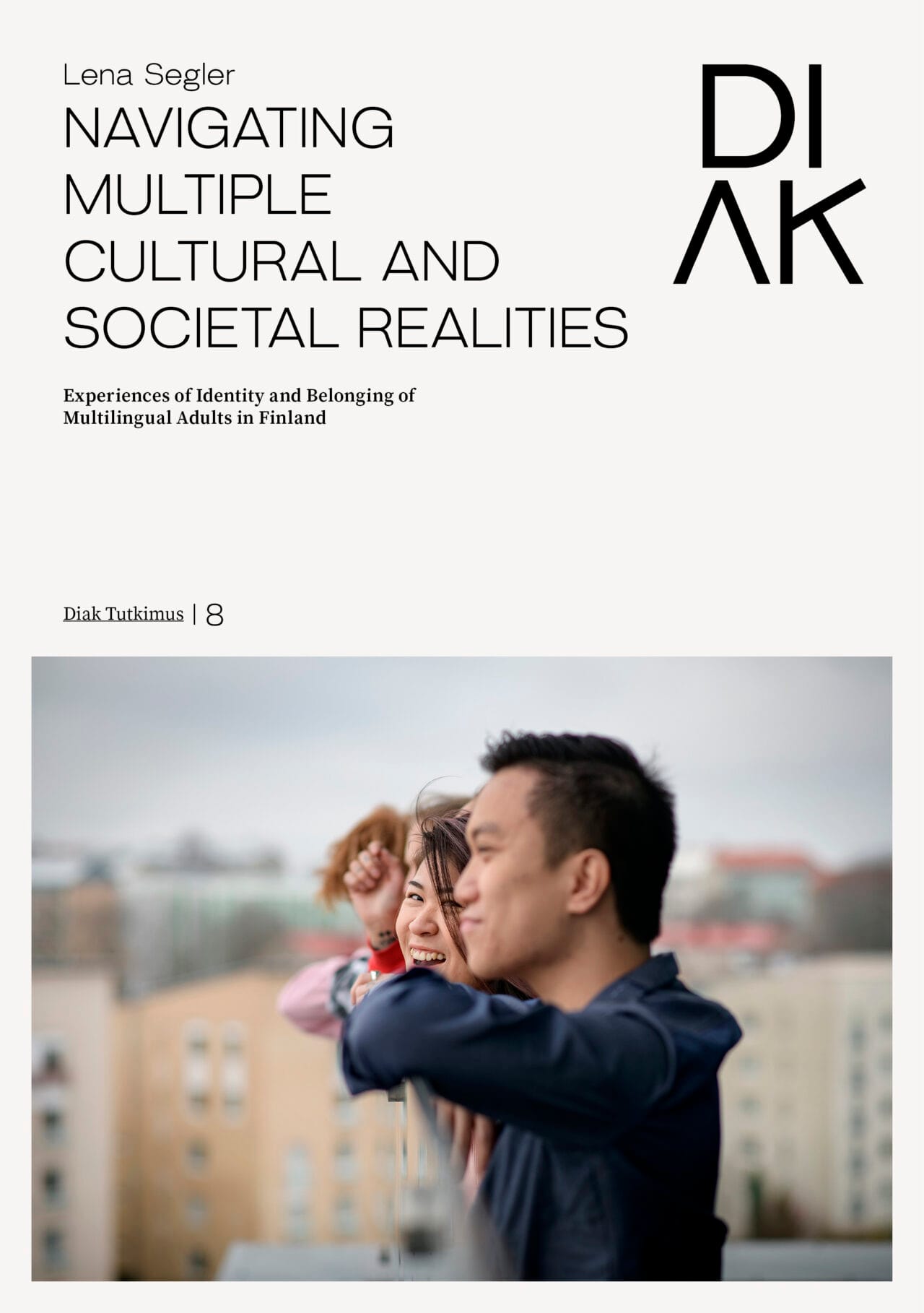
This research report explores how multilingual adults in Finland navigate hybrid spaces – contexts shaped by multiple cultural and societal frameworks.
Through phenomenological interviews with eleven participants, it examines how language use, social relationships and experiences of belonging influence identity, well‑being and psychological needs. Finnish proficiency supported autonomy, competence and participation, while heritage languages functioned as “soul languages,” preserving emotional authenticity and identity continuity. Participants described hybridity as a dynamic process, shaped by the conscious and unconscious inclusion or exclusion of cultural elements.
Experiences of otherness – especially in childhood – left lasting imprints on identity, whereas inclusive communities and multilingual workplaces strengthened resilience and belonging. The study proposes a hybrid space model that captures the interplay between language, identity, personality and well‑being, highlighting the value of culturally sensitive practices and seeing hybridity as a societal resource.